field recording
Field recording as performative spatial research practice: situated listening positions in two post-industrial landscapes in transition. Two artistic projects offered the context for this practice-driven research on field recording as situated listening:
Recording L28 | Sound Art Project | Farmhouse by 1010, Parckfarm Tour & Taxis by Alive Architecture & Taktyk, and Parckdesign Biennale 2014 by Brussels Environment (2014-15).
Cartography – Choreography Ford Genk | Free Sound Art Residency | Atelier De Stad – Het Geluid van Hasselt–Genk by Canvas (VRT), Musica, C-Mine Cultuurcentrum & Z33 (2014).
RECORDING L28 | FARMHOUSE
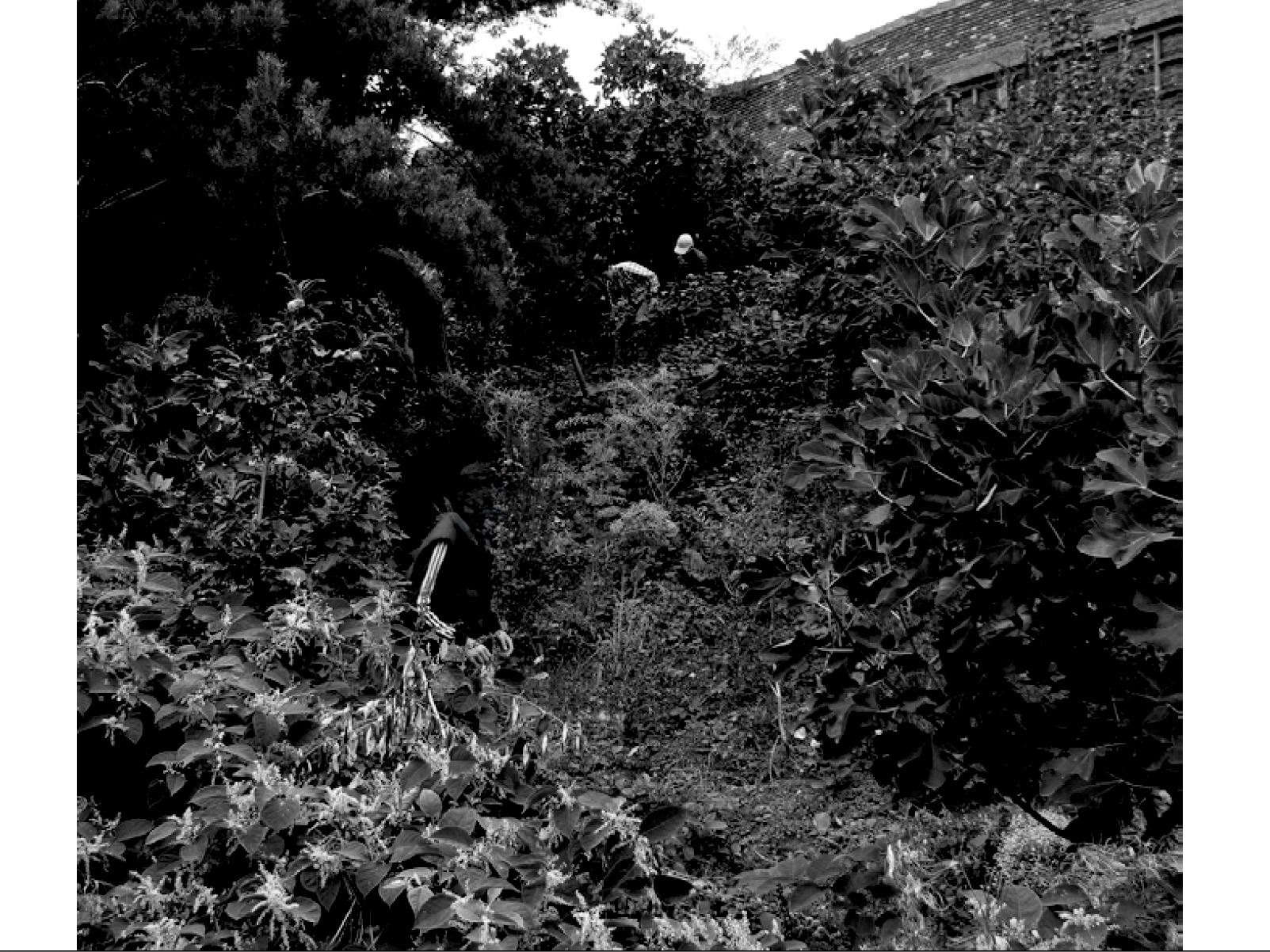
In the transforming park environment of Tour & Taxis, Brussels, I worked from the situated position of the youngster in the public spaces and wastelands of the area. Field recording sessions with local youth explored their sonic experience of a landscape undergoing profound transformation.
CARTOGRAPHY – CHOREOGRAPHY FORD GENK | ATELIER DE STAD
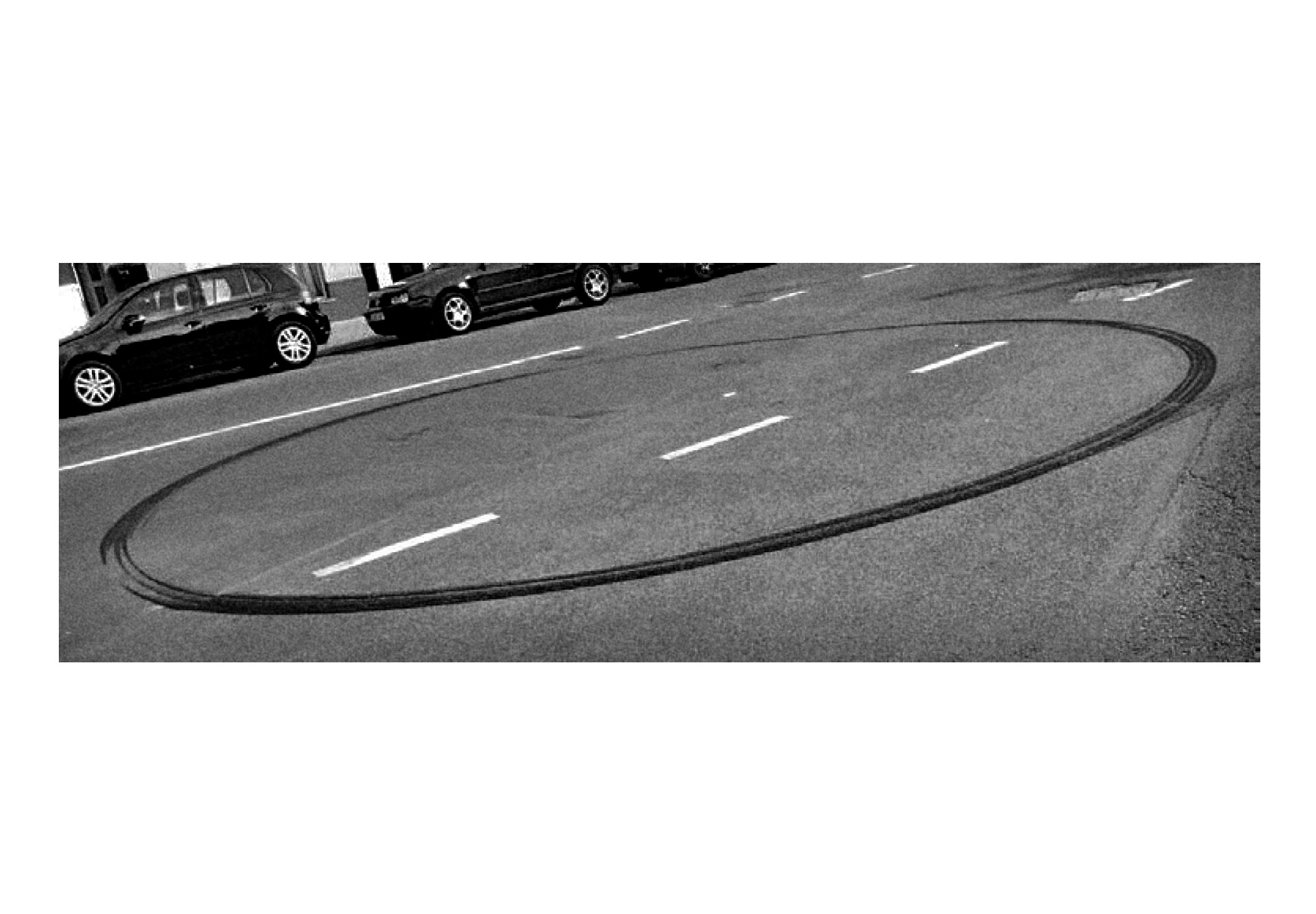
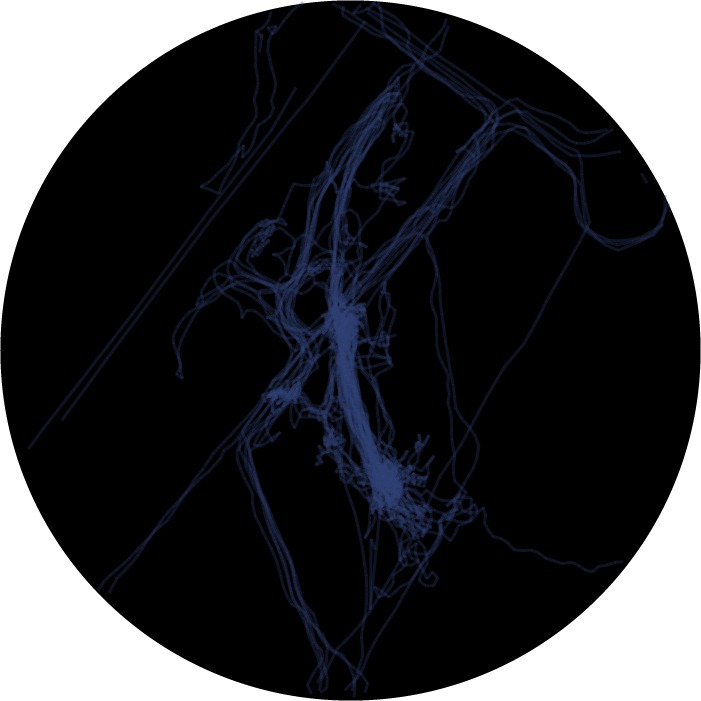
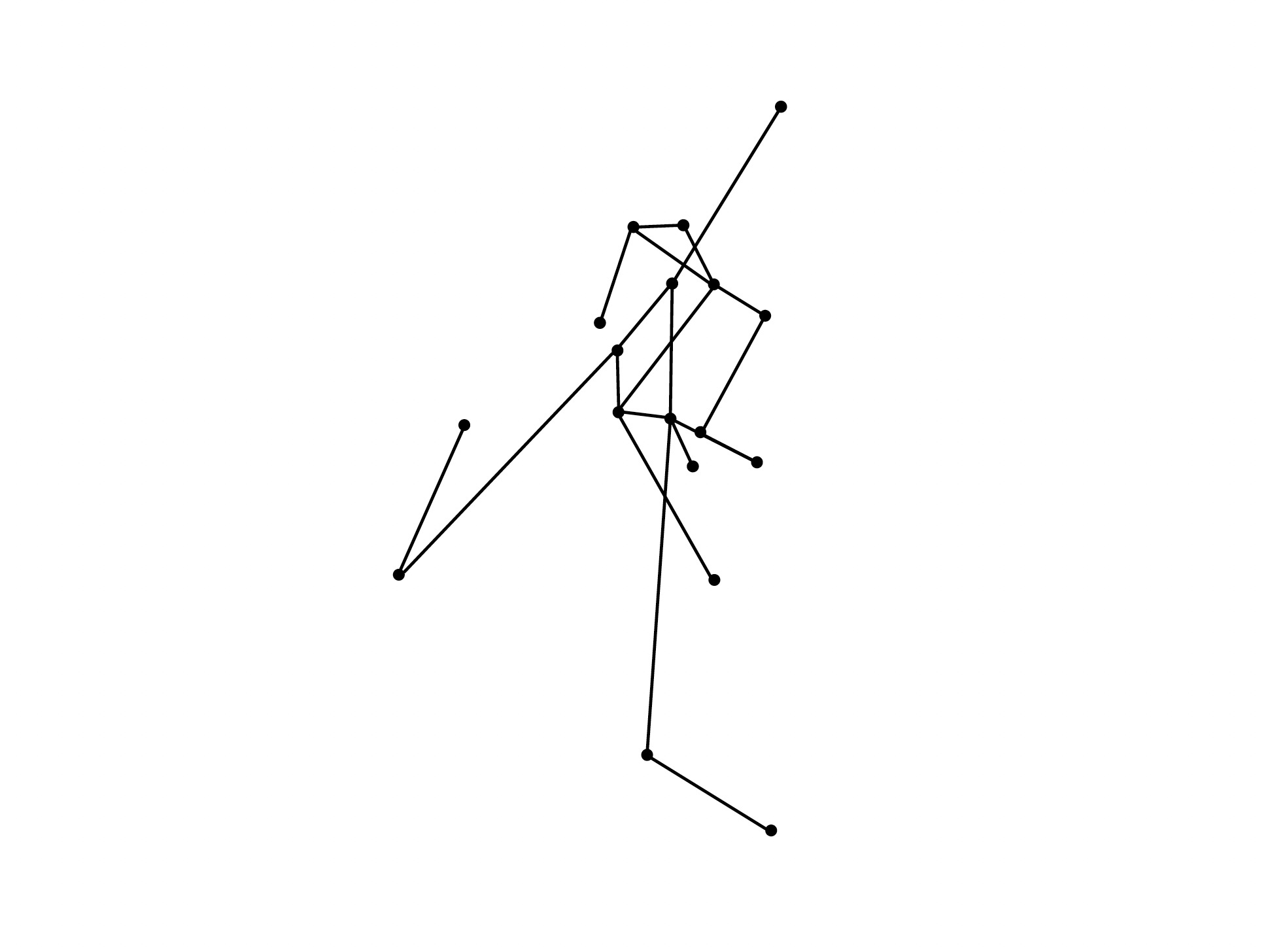
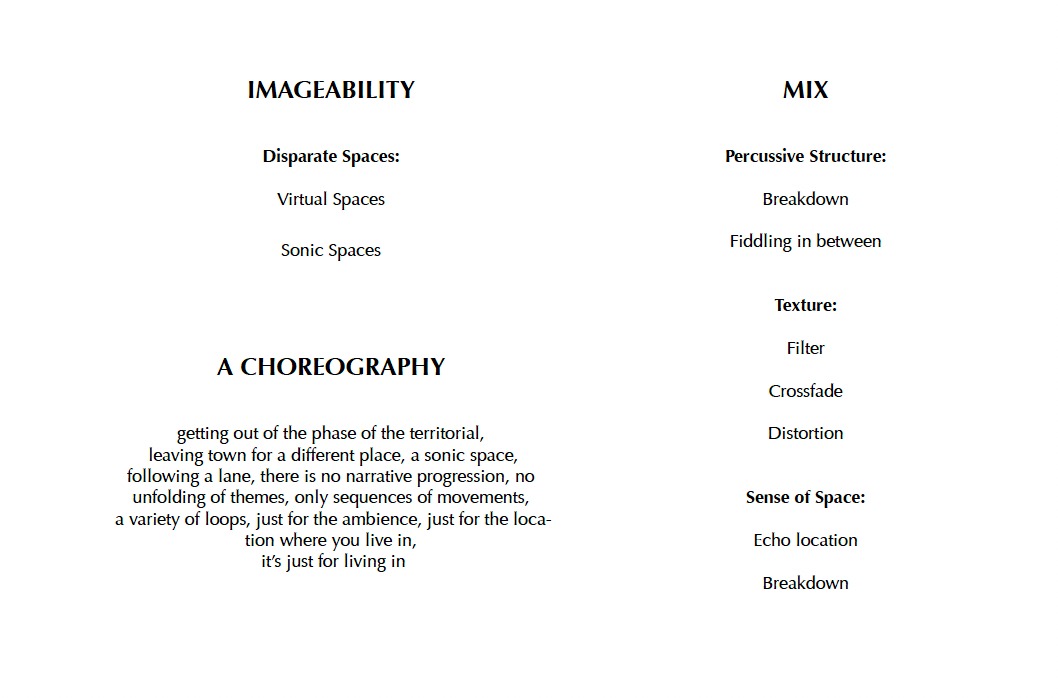
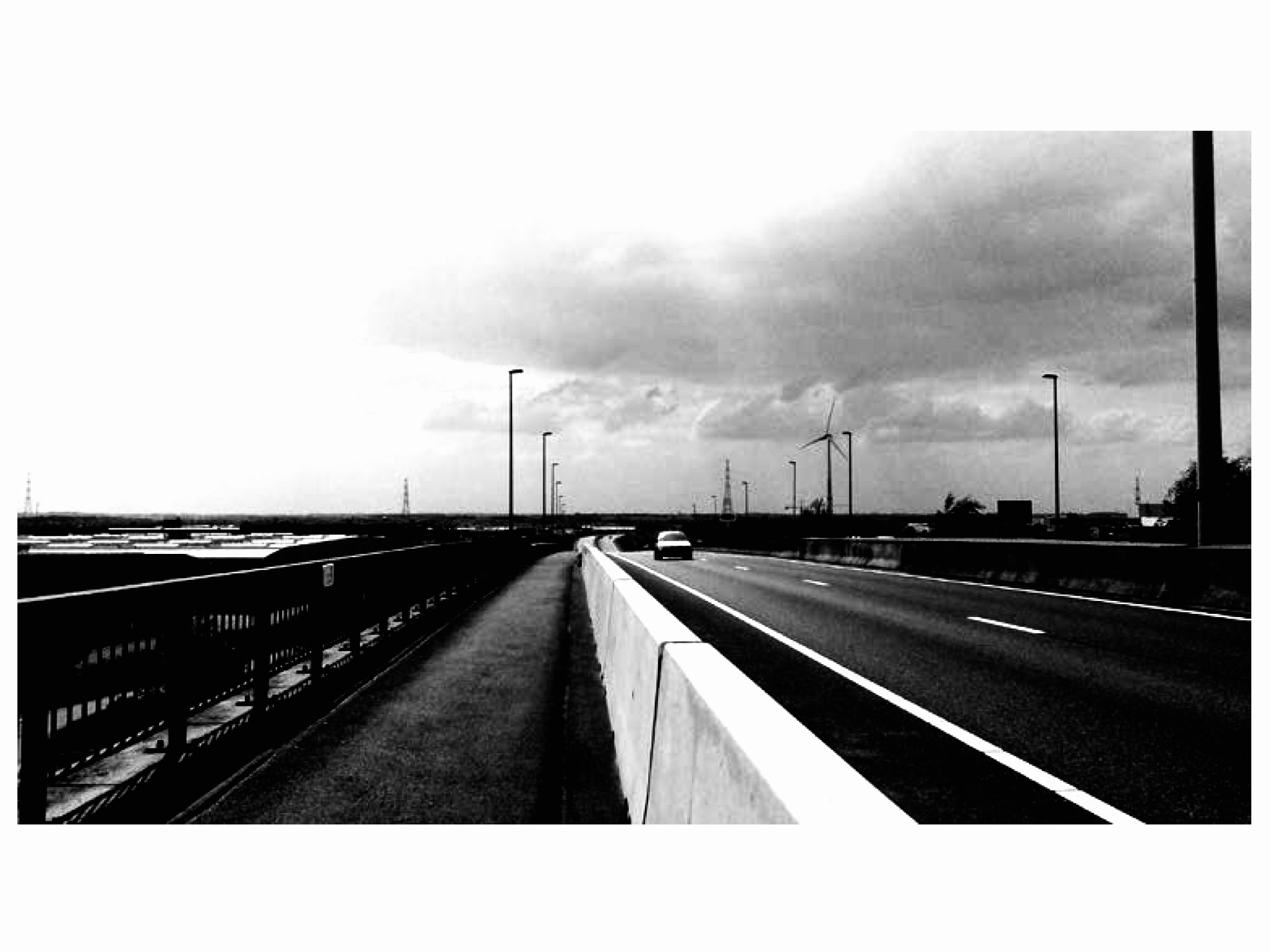
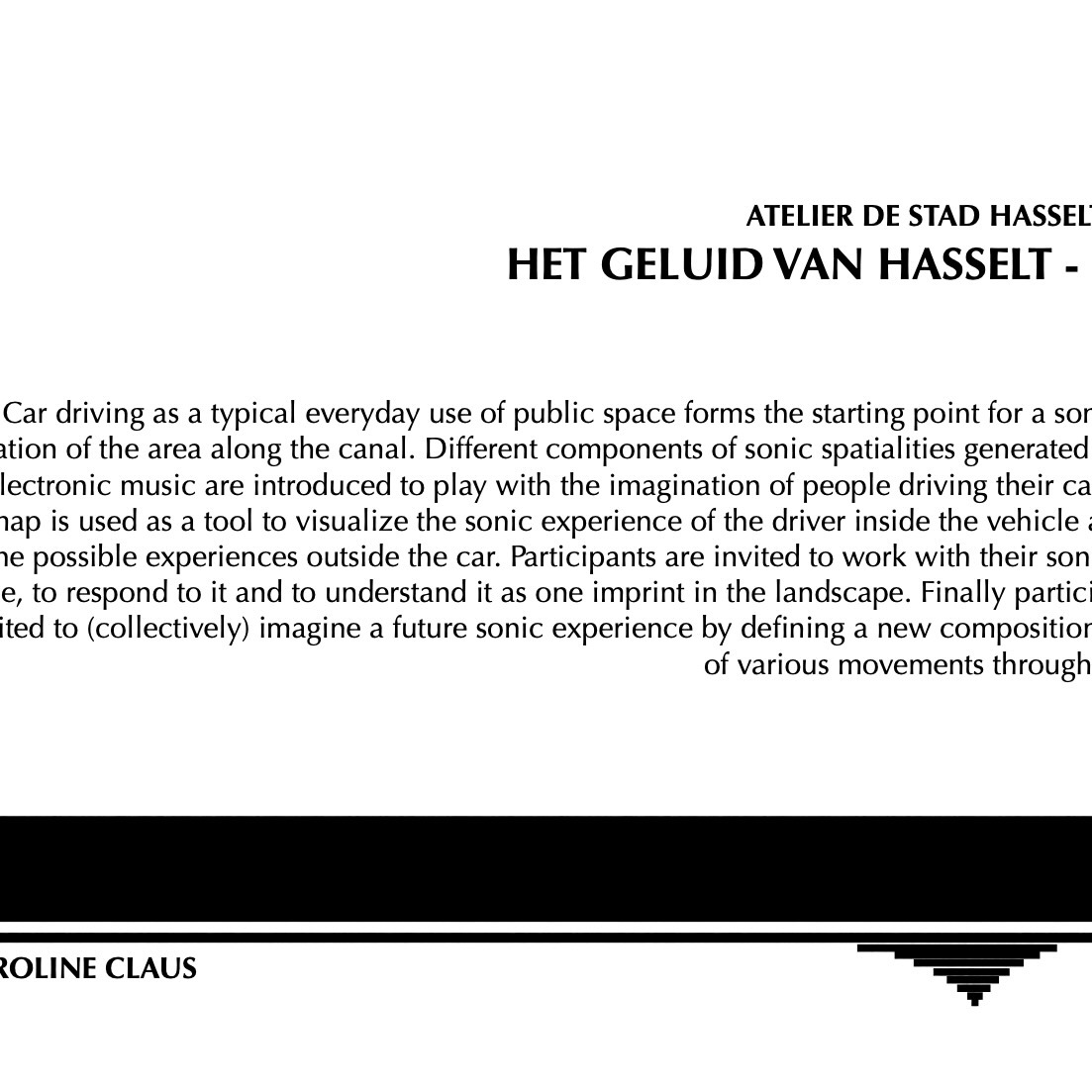
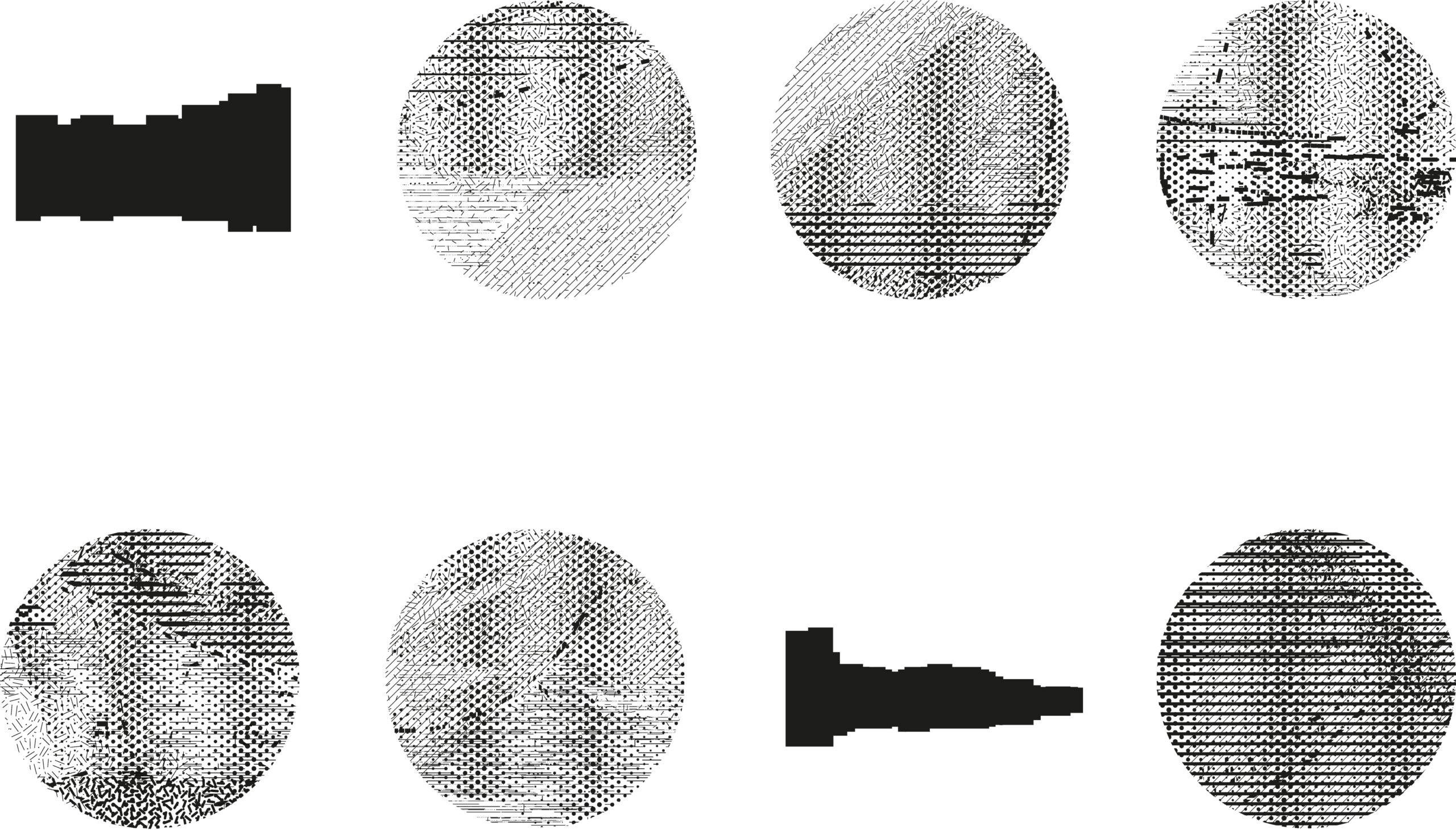
In the Hasselt–Genk canal landscape, I worked from the situated position of the car driver, performing a drive through the area in the year the Ford plant in Genk closed. The research resulted in a printed sonic cartography and a choreography for the car driver, presented and distributed at the closing exhibition.
OUTCOME
The methodology and project outcomes were presented at Invisible Places · Sounding Cities: Sound, Urbanism and Sense of Place, Viseu (PT), 2014, and published in:
Claus, C. (2014). Using a Complex Sound World for a Participative Dismantling and Redefinition of the Collective Appropriation of Industrial Landscapes. In Proceedings of Invisible Places Sounding Cities: Sound, Urbanism and Sense of Place 2014, pp. 611 – 622.
The research outcome was also presented at Design, Social Media and Technology to Foster Civic Self-Organisation, UHasselt, Hasselt (BE), 2015.