NOVEMBER 26, 2026
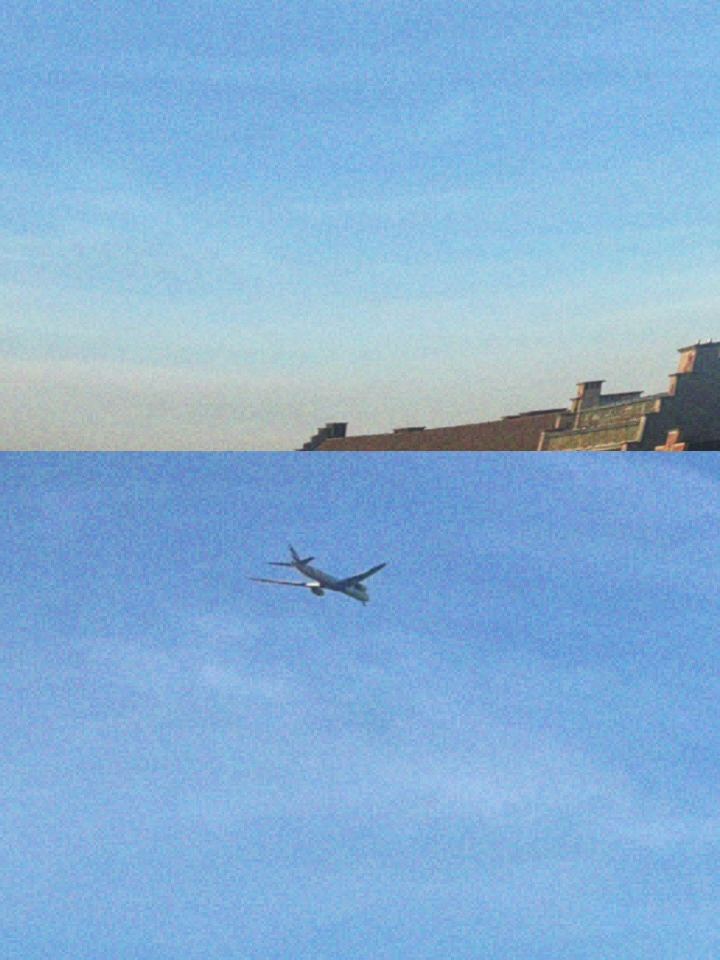
The past two days, including the nights of 24/25 and 25/26: the repeated passage of landing aircraft over our neighbourhood, during the opening week of KANAL, the new museum bordering the canal at Sainctelettesquare.
Much has been said about KANAL’s ambition to engage with its surrounding neighbourhoods: the public hall, the bakery, the library, the playground. A museum that wants to be part of the everyday conditions of a neighbourhood engages with its nights as well as its days.
Yesterday morning, BRUZZ published a critical reflection on the anticipated Bilbao effect (Christiaens, 2026): gentrification, affordability, the buffers that neighbourhood contracts provide. What remains silenced is the loud presence of landing aircraft following the RNP 07 route over the surrounding neighbourhoods. The question of how international accessibility relates to the nuisance lived beneath its flight paths is not raised.
Air connectivity and flight frequencies have been studied as an added value for museums (Florido-Benítez, 2023); what such accounts leave unasked is the impact of aircraft on the ground, on air quality, health and well-being. Reading the BRUZZ article while tired from lack of sleep, and continuously interrupted by planes passing through our house, made me think of Marie Thompson’s argument that hearing the airport as a bland, generic space of consumerism relies on a white aurality that renders the racialized experiences of that space imperceptible (2017).
Our home and my part-time workplace are located in Brussels North, close to the museum, within the perimeter of a neighbourhood contract, and beneath the RNP 07L flight path, introduced in 2025 as an operational measure whose intensification continues to be contested (see my blog post Demographic Contours, October 3, 2026).
The redevelopment of the Brussels Territory North belongs to a different planning regime from that of the flight routes RNP 07. Yet they intersect in the everyday conditions of inhabiting this part of Brussels.
The past two nights, the repeated passage of landing aircraft interrupted my sleep. Today, the intervals between aircraft continue to structure the experience of living here. Reading about the anticipated Bilbao effect under these conditions, I am interested in how the value attributed to international accessibility relates to the sonic material conditions of inhabiting the territories that sustain it.
What would it mean to extend the care for the neighbourhoods of KANAL to the sonic conditions of living here? What would it mean to integrate the parallel coexistence of these ongoing territorial transformations more fully in a reflection on the future city?
What does the city sound like from the stage, and what does it sound like beneath the flight paths?